EnerGel is Pentel’s most beloved product. Smooth writing, quick drying and refillable are just a few reasons, why EnerGel is the perfect pen for you.


Besides its standard EnerGel range in various line widths and models, we are releasing multiple limited EnerGel editions this year.


Four different themes based on Japanese traditions and locations:
  • Kiriko
  • Nature
  • TBA
  • TBA

EnerGel "Kiriko" - Tokyo

Kiriko” is a traditional Japanese craft of cut glass that originated in the Edo period, known for its beautiful and intricate patterns

Flying Arrow design symbolises the focus in achieving one’s goals, like an arrow in straight flight

Rokkaku Kagome is a geometric pattern resembling a woven basket, which signifies resilience and stability
Asabakikka pattern is derived from the chrysanthemum, a status symbol as it was used in the emblem of the imperial family and also in modernday Japanese passport

Lattice designs that make up of vertical strokes represent protective barriers against misfortunes

Kikutsunagi is an interwoven pattern made up of chrysanthemums, which invokes elegance and beauty

Shippou is a design created by overlapping circles, which represent eternal bonds, prosperity and harmony

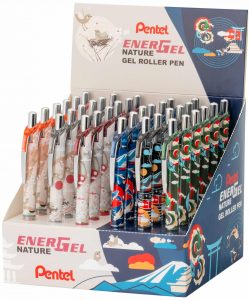
EnerGel "Nature" - Kyoto

Nature” Edition is based on mystical creatures and nature occuring in Japan. Because of its rich history and traditions, inspiration for these designs can be found in and around Kyoto.

Inspired by Cherry Blossomsakura, this motif reflects the Japanese concept of the awareness of life’s fleeting beauty. Cherry blossoms frame temples and rivers each spring, reminding us to appreciate the present moment and find elegance in impermanence.

Sparrows (suzume) are common in Kyoto’s streets and gardens, symbolizing joy, resilience, and everyday life. Despite their small size, they represent energy and adaptability—capturing the quiet vitality found in simple, daily moments.
This Landscape design draws from Kyoto’s harmonious blend of nature and architecture – mountains, gardens, and historic temples coexisting in balance. It reflects the Japanese aesthetic of wabi-sabi, embracing simplicity, calm, and the beauty of natural imperfection.

Koi fish are powerful symbols of perseverance, courage, and transformation in Japanese culture. Often associated with legends of swimming upstream, they embody determination and personal growth—making them a timeless emblem of strength and ambition.

The Torii gate marks the transition from the physical world to the sacred space of Shinto shrines. In Kyoto, these gates invite reflection, mindfulness, and respect for tradition—symbolizing a passage into deeper awareness and spiritual clarity.

Japanese Dragons are revered as wise, protective, and elemental beings, often connected to water and the heavens. In Kyoto’s temple art, they represent strength guided by wisdom—balancing power with harmony and protection.

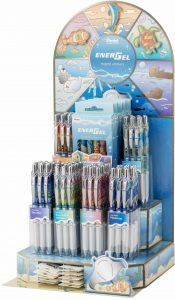
EnerGel "Marine Animals" - Okinawa

Kiriko” is a traditional Japanese craft of cut glass that originated in the Edo period, known for its beautiful and intricate patterns

Flying Arrow design symbolises the focus in achieving one’s goals, like an arrow in straight flight

Rokkaku Kagome is a geometric pattern resembling a woven basket, which signifies resilience and stability
Asabakikka pattern is derived from the chrysanthemum, a status symbol as it was used in the emblem of the imperial family and also in modernday Japanese passport

Lattice designs that make up of vertical strokes represent protective barriers against misfortunes

Kikutsunagi is an interwoven pattern made up of chrysanthemums, which invokes elegance and beauty

Shippou is a design created by overlapping circles, which represent eternal bonds, prosperity and harmony